

Related posts

Is it possible to save on energy despite the price increases?
Is there a way to shelter one's finances from the dramatic rise in energy prices? An action plan with renewables in the forefront may be the solution.

Italian Wallbox manufacturers: why choose Made in Italy
Choosing a Made in Italy wallbox is not only an act of trust in the domestic product, but a conscious technical decision that affects safety, reliability and service.
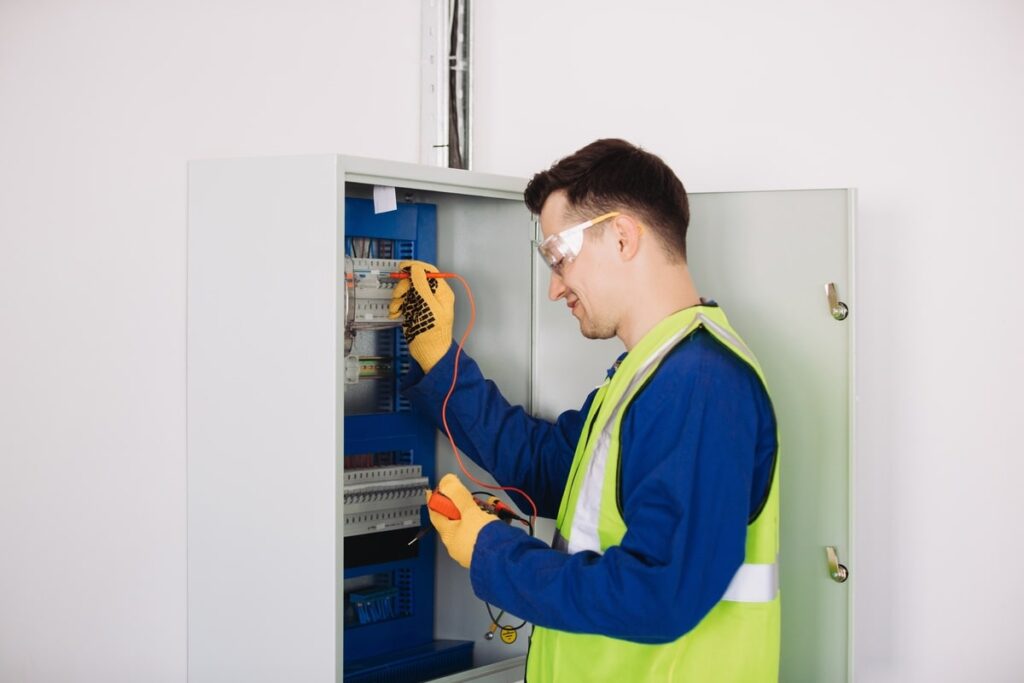
How much does it really cost to install a Wallbox? Complete analysis of prices, paperwork and certifications
For those who drive an electric vehicle (EV), the installation of private charging point is now a priority: it means charging safely and quickly, without having to depend on the public charging stations available in the area.
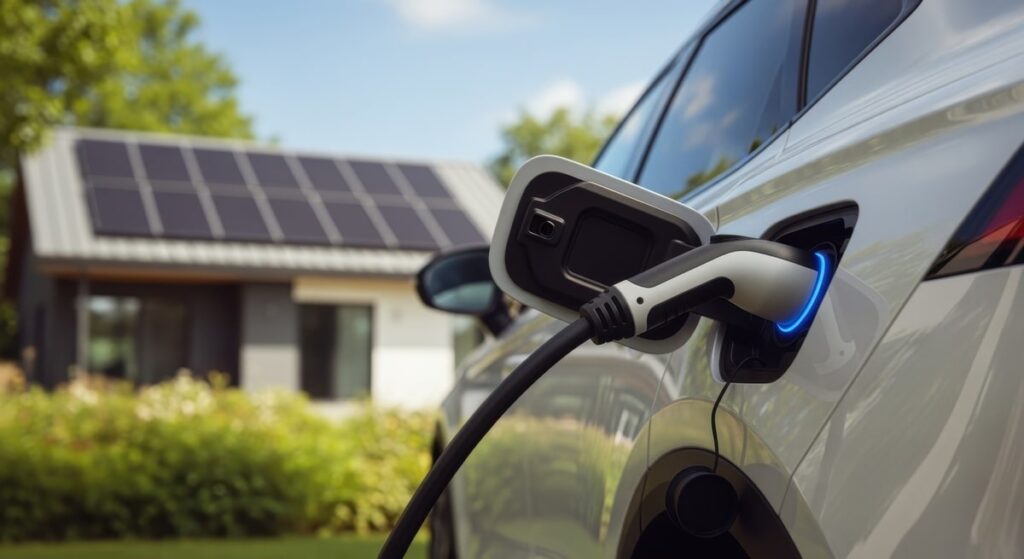
Two-way charging (V2G/V2H): how the electric vehicle becomes a storage resource for home and grid
Electric mobility is transforming: in addition to fast charging and reduced emissions, vehicles can now integrate into home and grid energy systems, taking on the role of a storage resource.
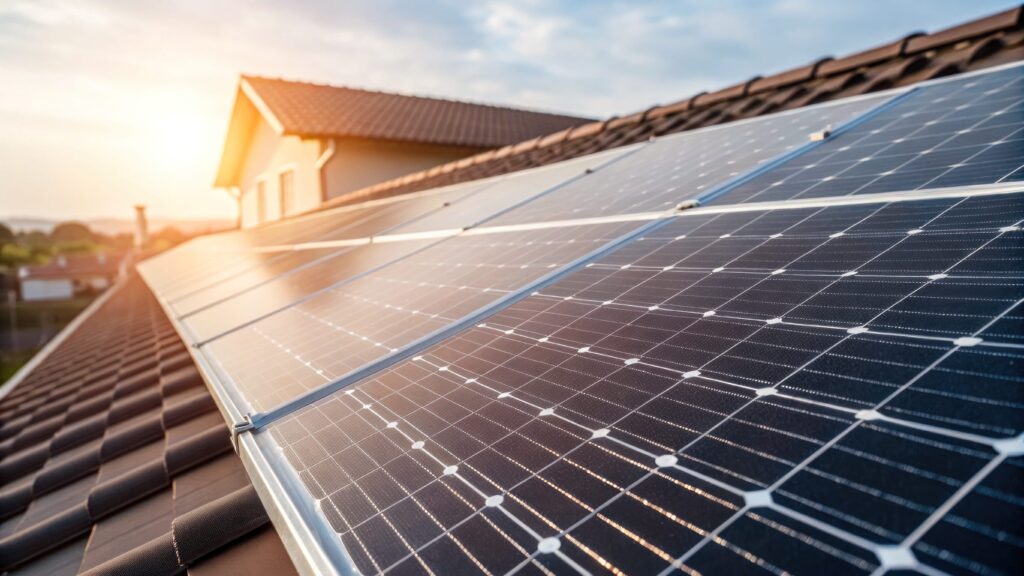
Wallbox: how does Solar Mode work and when is it appropriate to use it to recharge the electric car?
The spread of smart wallboxes has fundamentally changed the way electric vehicles are recharged. Today we are not only talking about speed and convenience, but also about smart consumption management.
Dynamic Load Management: what is dynamic load management and how it works
Electric vehicles are the future of sustainable mobility, but recharging them often requires a large amount of energy that can put pressure on the electrical infrastructure of homes and businesses. Without smart management, there is a high risk of overloads, blackouts, and life-saving trips.
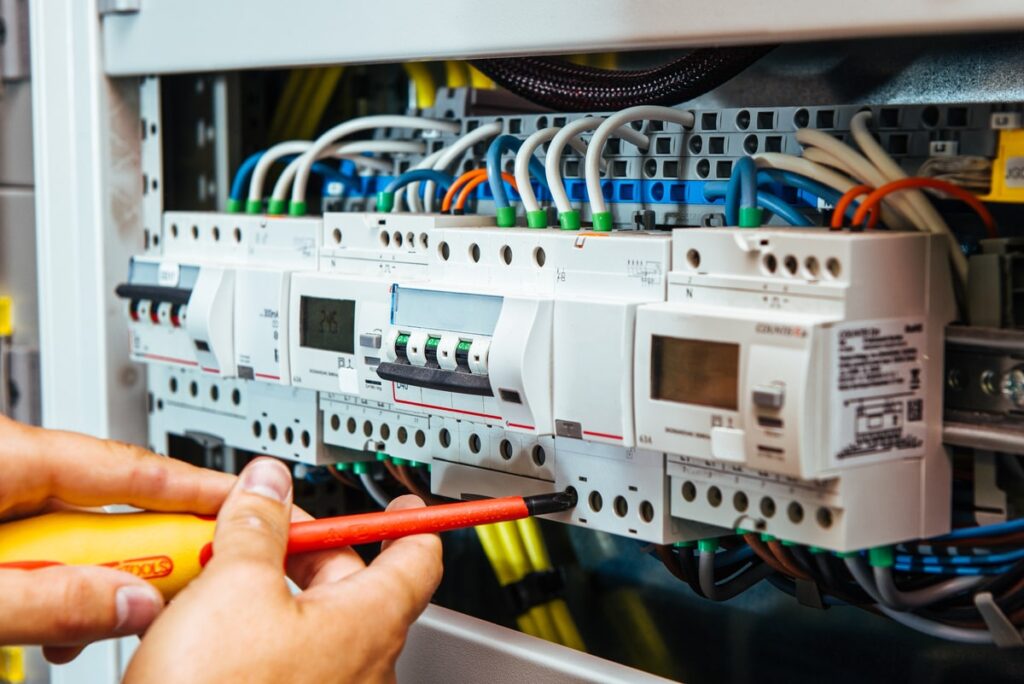
How to install a wallbox at home: technical guide on electrical wiring and security
Want to install a wallbox at home and don't know where to start? In this technical guide you will find out everything you need: electrical system requirements, mandatory protections, wiring, safety, regulations, and smart features.

Charging your electric car at night without a blackout: how to prevent your meter from jumping
Studies say that more than 70 percent of household recharging occurs during evening or nighttime hours, when rates are cheapest. But it is also the time of day when high-drawing appliances such as boilers, heat pumps and washing machines are activated.
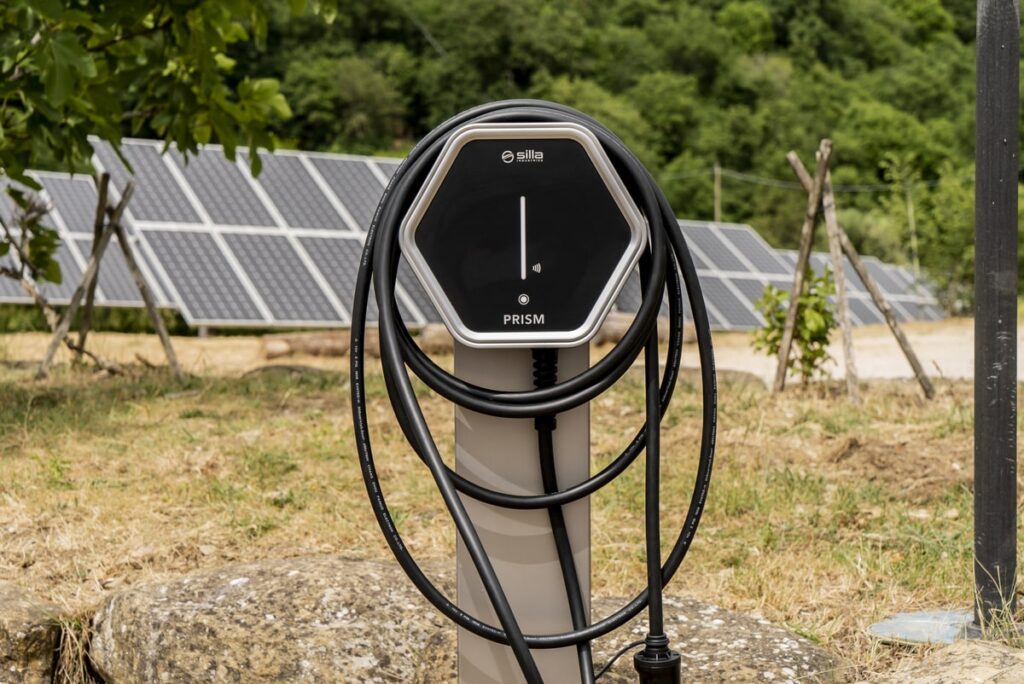
Electric car charging with photovoltaics: how to do it grid-less and save 100%
Home charging of electric cars is already the norm for most eco-drivers. With a photovoltaic system and a smart wallbox, this habit can turn into total energy independence.

Silla Industries and Azimuth Solar partnership for energy transition in Piedmont
Silla Industries has entered into an agreement with Azimuth Solar to promote the energy transition in Piedmont. The partnership will encourage the installation of photovoltaic systems with charging stations in homes and businesses in every province in the Northwest, offering free assessments and economic benefits.
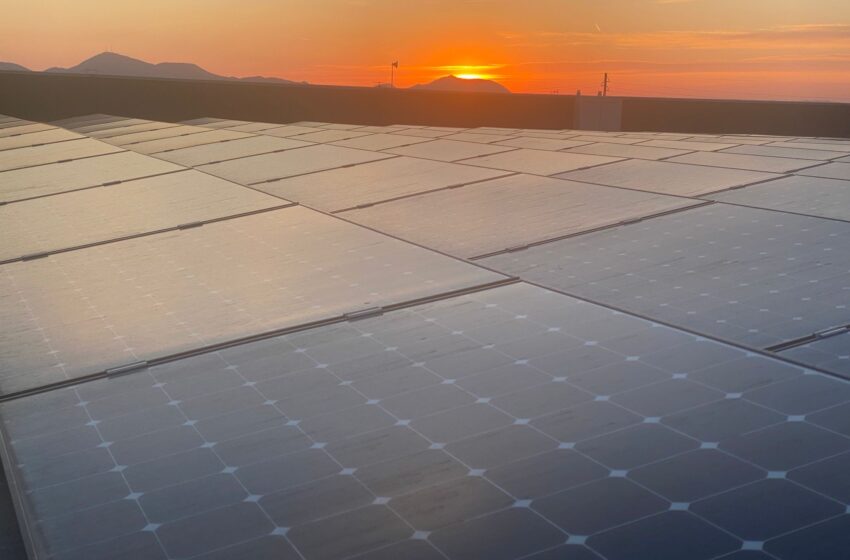
ITALFELTRI-NERCOS CHOOSES SILLA WALL BOXES FOR ITS FACILITIES
Silla Industries has provided Italfeltri-Nercos with its Prism Solar wall boxes to recharge vehicles at the company's two plants in the province of Padua-which operates in the injection molding industry-using green energy produced by the photovoltaic system.
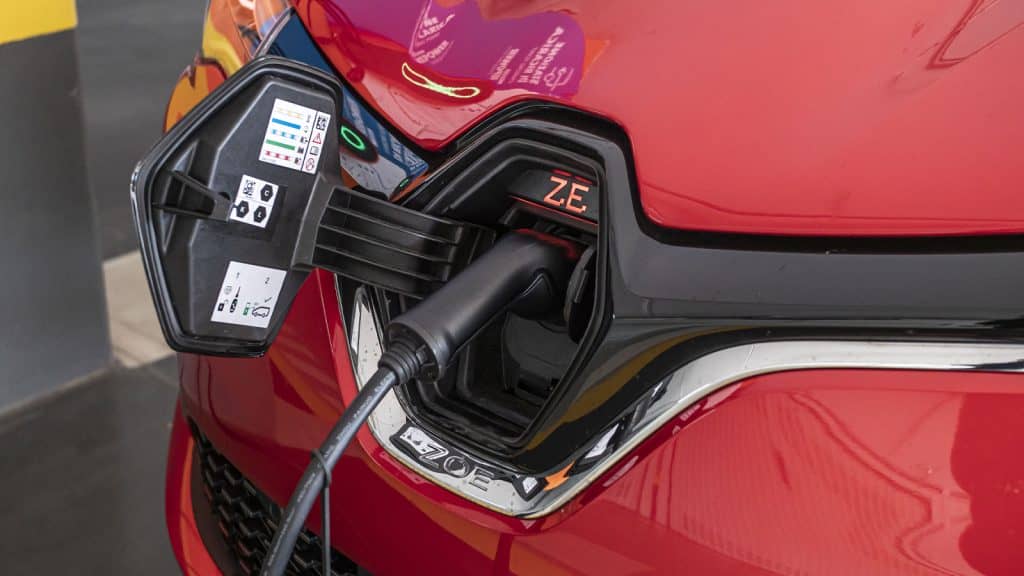
In how many modes can you charge your car with Prism?
Solar, Normal or Night? Choose how to recharge your car according to your needs and usage habits. We discuss it here


