Why ask “How much does it cost to drive 100km with an electric car?”
Seventy percent of Italians who want to change cars would do so by leaning toward an electric car. This is according to the analysis conducted by EY in realization of theEY Mobility consumer index. The result is encouraging, especially in response to the many criticisms that are made, almost a priori, against the e-mobility sector.
However, merely underestimating what, for the target audience, are still obstacles to moving from intentions to actions would be counterproductive. For example, “How much does it cost to drive 100km in an electric car?”
Let’s delve into this and other difficult points involved in the process of buying an electric car.
Why are Italians still reluctant and what are the reasons holding them back from buying an electric car?
On the podium we find the price of the car, which Italians consider unaffordable and competitive, access to public charging considered insufficient as well as the perception that battery range is lacking, the cause of the so-called “range anxiety“.
In addition, especially considering the crisis affecting it, the cost of energy also plays a role in evaluating whether or not to proceed with a major expenditure.
Certainly incentives support drivers by providing easier access to purchase, by the way, have you already read the article where we talk about incentives?
Speaking of charging…
Better public or home charging?
The distribution network of charging stations in our country currently consists of more than 78,000 public charging points for electric cars.
This is an uneven presence considering the discrepancy between north and south: about 59 percent of the infrastructure is distributed in northern Italy, only about 19 percent in the center and 22 percent in the south and islands. 73.6 percent of the columns operate on alternating current (AC, up to 49 kW), while the remaining 26.4 percent are on direct current.
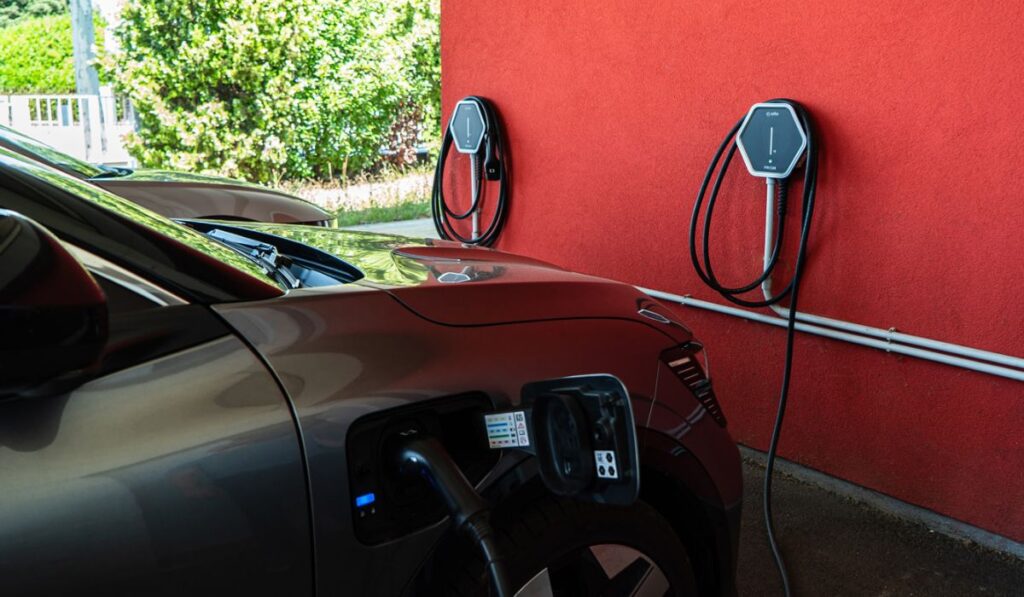
Public charging is contrasted with home charging, which is done at home or in places where the car is stationary for a certain number of hours, such as the workplace for example.
But how competitive is public charging, fast or otherwise?
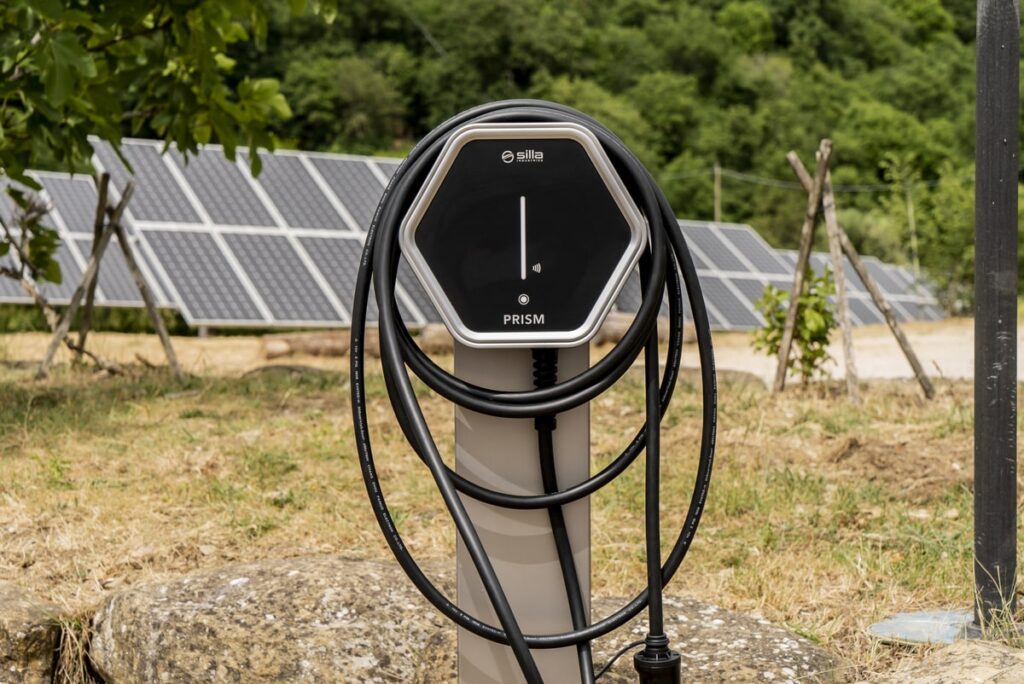
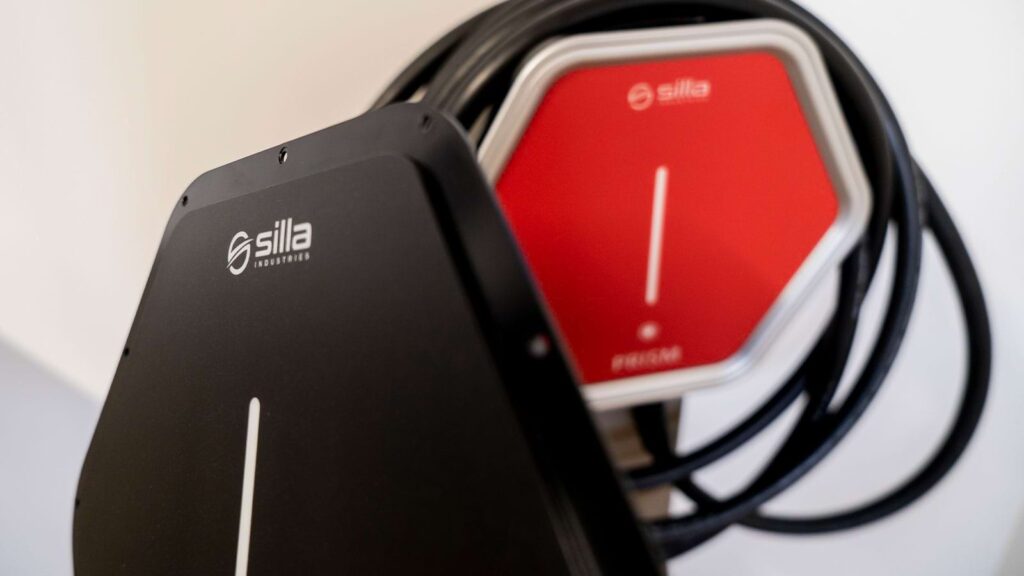
Little, when compared to home charging i.e., the protagonist of the evaluations, including economic ones, that accompany this article. Beware, however, not in every case, because while it is true that home charging can also be done by hooking up a portable charger such as Homer to the Schuko outlet, which allows advantages on the savings, safety and balancing of household consumption front, all variables, such as fast charging, are met by the wallboxes available on the market.
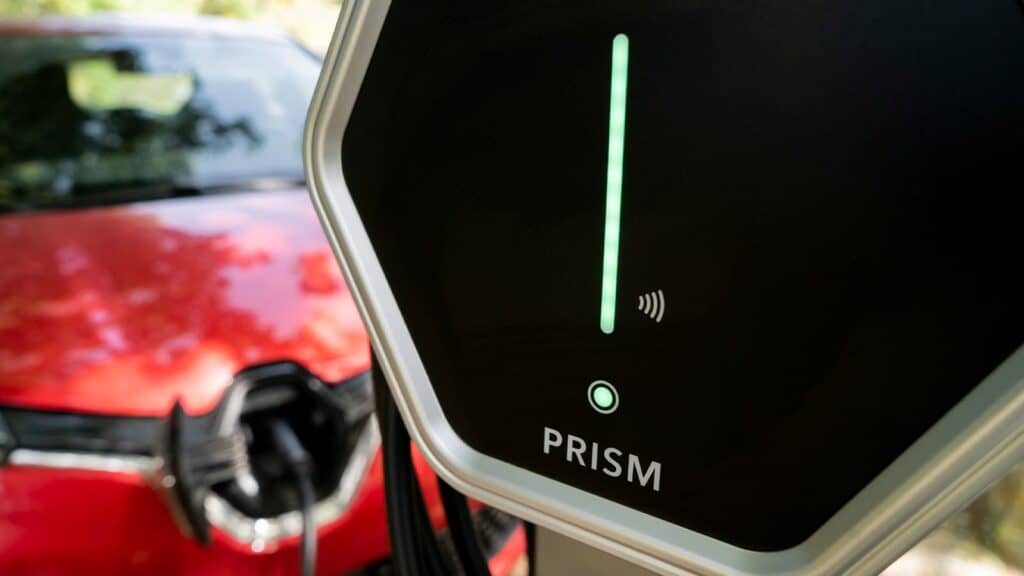
Why buy a wallbox if I have a portable charger that comes with the car?
Many cars come with them, and it is a valuable means of charging while traveling or away from home when there is a schuko outlet available. However, the devices that come with cars do not perform smart functions, a hallmark of home charging stations currently on the market. If you want to learn more about why to choose a wall charger if you have a charger that comes with your electric car, read this article.
How much does it cost to fill up an electric car?
When people talk about electric cars, the first question that comes up is almost always the same: “But how much do you spend to fill up?” It is an understandable question; we are used to thinking of fuel as a timely, measurable, comparable expense.
The electric “full” does not exist as we understand it.
It does not exist in the sense in which we understand the classic fill-up carried out with any diesel or gasoline car.
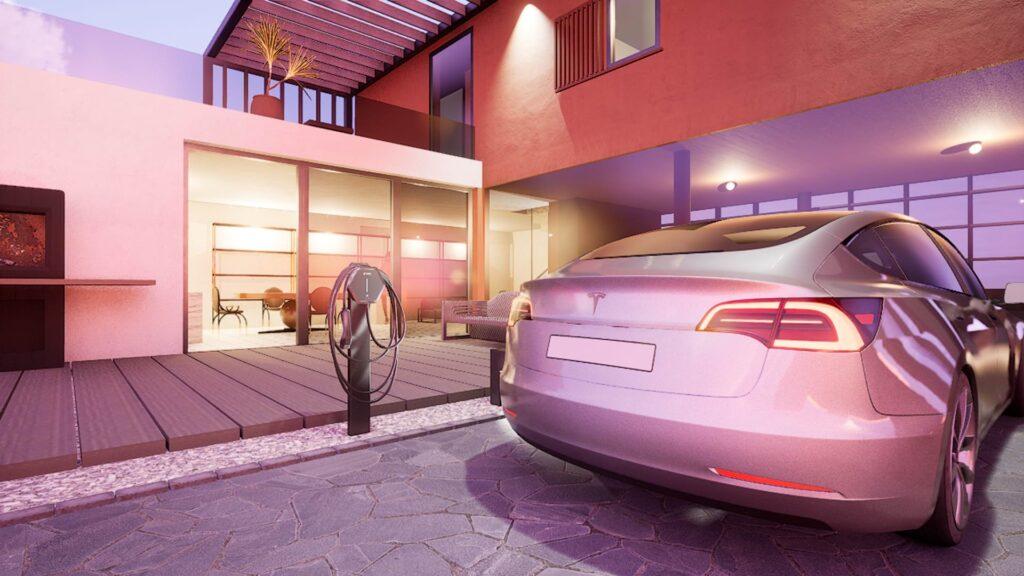
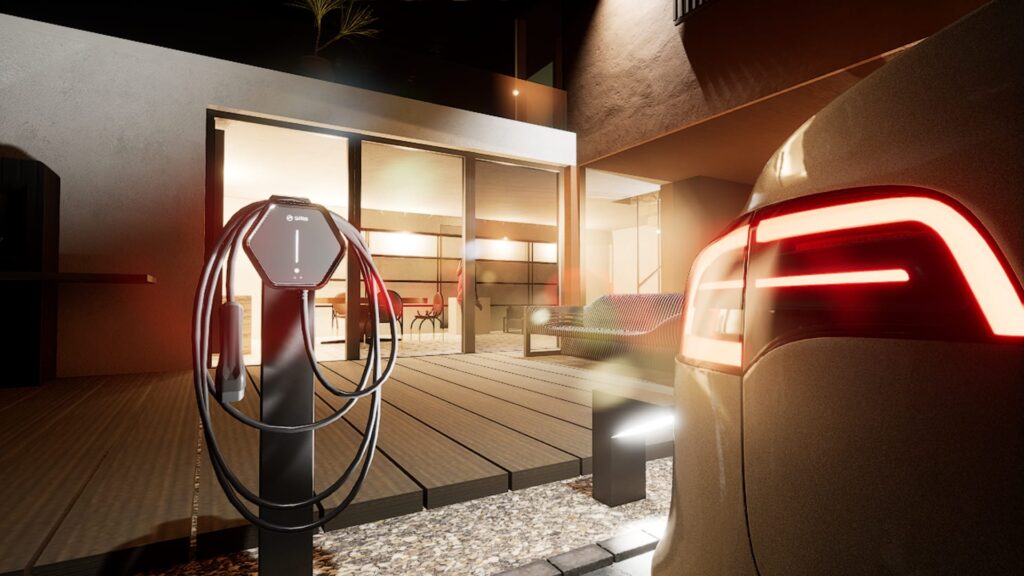
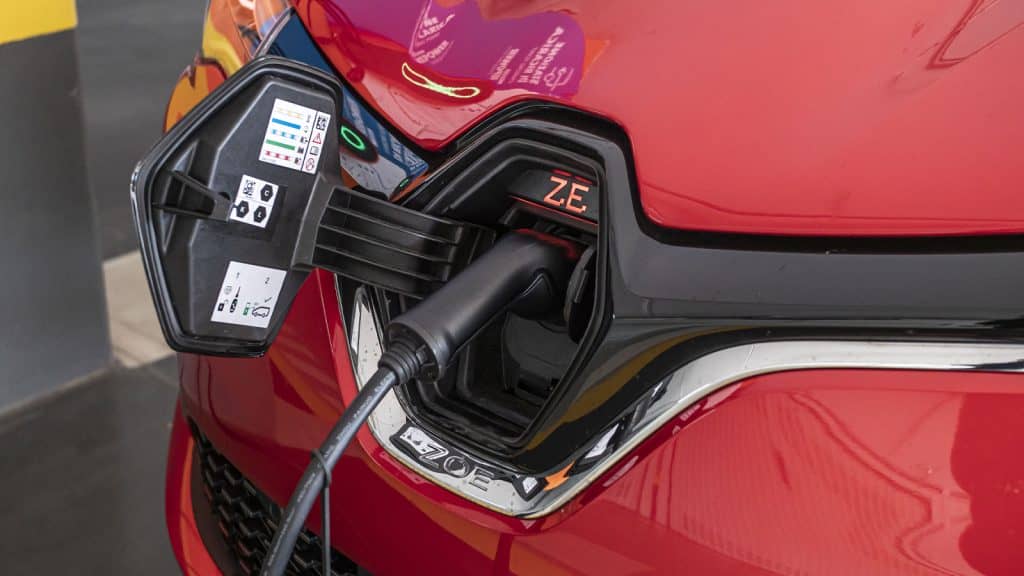
The vast majority of people who drive an electric car do not recharge it in the same way they fill up with gasoline. Charging takes place mainly at home, at night, while sleeping. The car arrives in the evening with 30 percent battery and leaves in the morning with 100 percent battery. The cost is diluted in the monthly bill, often invisible because it does not show up as a separate item.
The energy variable does not allow for an honest comparison.
The price of electricity changes depending on operator, tariff, and time of day. In ARERA’s protected market, the cost for the energy material is around €0.138-0.158/kWh(data from second quarter 2025-first quarter 2026), while in the free market the total cost in the bill, including system charges, transportation and VAT, typically ranges between €0.12 and €0.15/kWh depending on the supplier and contract.
Those with a PV system can reduce the marginal cost of charging to almost zero. On the opposite front, those who use public columns exclusively are in a very different context: slow AC rates range from €0.40 to €0.69/kWh, fast DCs from €0.55 to €0.93/kWh, while ultra-fast HPC can touch or exceed €0.89 to €1.10/kWh for non-subscribers.
The right question is a different one: how much do you spend per km?
If the comparison is made in these terms, the picture becomes sharper. According to acomparative analysis of costs per 100 km, an electric car recharged mostly at home costs on average about 5-6 €/100 km; with mixed recharging (80 percent home, 20 percent public fast) it rises to about 7-8 €/100 km. A gasoline-equivalent car, at current prices, costs about 12-13 €/100 km, while a diesel is around 9-10 €/100 km.
To make the point with a concrete example: an electric sedan with a range of 400 km that travels 1,200 km per month with 80 percent domestic recharging at 0.15€/kWh costs about 38€ in energy per month, compared to an estimated 115€ for a gasoline equivalent, for an annual savings of about 900€ in refueling costs alone. The savings do exist, but we would like to remind you that it varies greatly depending on how the car is used and can be greatly reduced for those who depend exclusively on the public grid to recharge their car.
Finally, there is a mental habit component to overcome. We have been accustomed for decades to perceiving fuel as a separate, immediate and immediately visible expense at the time of refueling. Electric makes it invisible, integrated into everyday life. This can be disorienting for those looking for a simple parameter to decide. The reality is that that simple parameter no longer exists, and accepting it is the first step to evaluating electric in a truly informed way.
Do you want to know which charging solution is right for you?
Contact us and we can guide you in choosing the best option for charging your electric car.