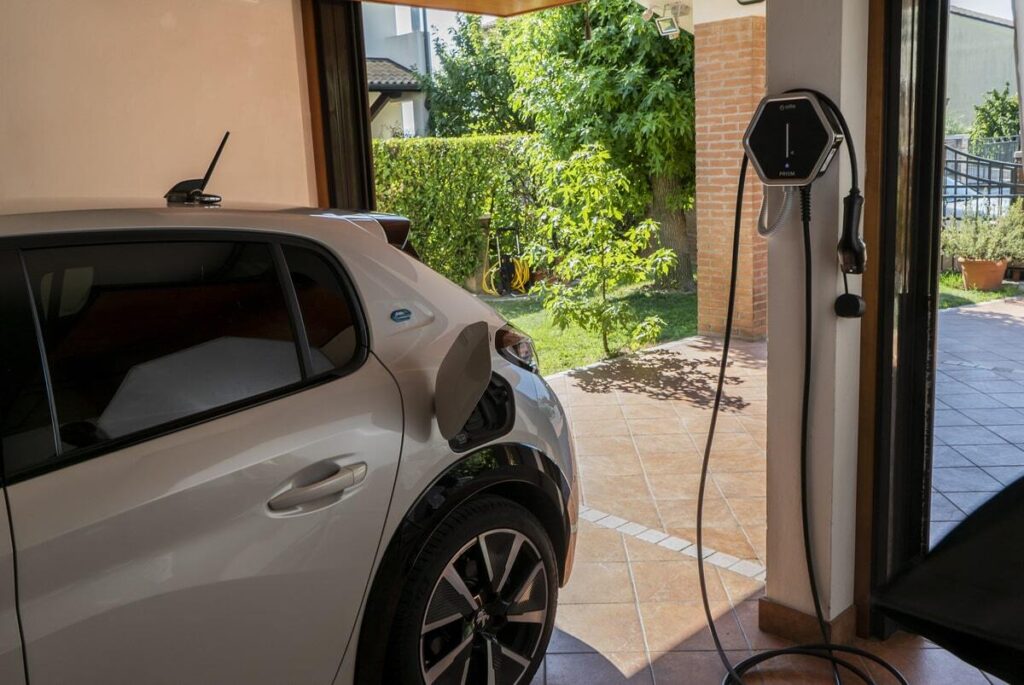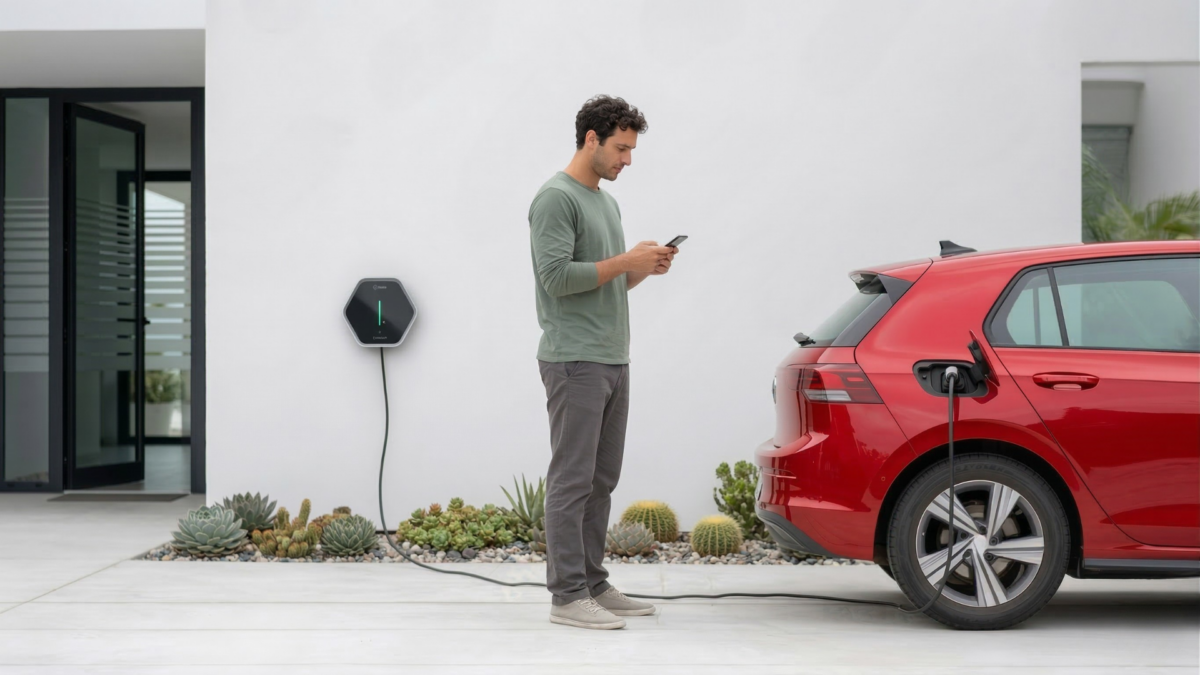
One of the most relevant aspects in choosing a wallbox concerns connectivity: installing a connected wallbox or opting for an offline model radically changes the user experience, the available features, and the possibilities for energy optimization.
Offline wallboxes are simple devices that deliver energy without additional functions. A connected wallbox, on the other hand, integrates smart technologies that enable remote control, dynamic load management, integration with photovoltaic systems, and real-time consumption monitoring.
In this article we explore the differences between the two approaches, the benefits of smart charging, and why a connected wallbox is a future-oriented investment.
What does connected wallbox mean
A connected wallbox is a device with a communication module-Wi-Fi, Ethernet, or 4G-that allows it to connect to the Internet and be remotely managed via app, web portal, or integration with home automation systems.
Connectivity transforms the wallbox from a simple energy dispenser into a smart system that can adapt to household consumption, optimize the use of self-generated energy from PV, schedule recharges, and provide detailed session data.
Connected wallboxes support standard protocols such as OCPP(Open Charge Point Protocol), which ensures interoperability with third-party management platforms and facilitates integration into complex energy ecosystems.
Advantages and limitations of offline wallboxes
Offline wallboxes are devices without connectivity that deliver power continuously when the vehicle is connected. Some models allow manual adjustment of power via physical switches, but do not offer programming or remote control functions.
The advantages of offline wallboxes include ease of use, lower initial cost, and no need for network configuration. They are suitable for users with basic needs, who always recharge in the same way and do not need energy optimization.
The limitations, however, are obvious: inability to schedule recharges, no consumption monitoring, no remote control, no integration with photovoltaic systems, and inability to take advantage of bi- hourly electricity rates automatically.
For those seeking flexibility, energy savings, and advanced functionality, an offline wallbox is limiting.
The benefits of smart charging
Smart charging is the set of technologies that allow charging to be optimized based on external variables: schedules, electricity rates, photovoltaic production, household consumption, and grid availability.
Remote control
A connected wallbox can be managed from anywhere via app. Users can start or stop charging, change power, check session status, and receive real-time notifications. This feature is particularly useful for those who want to monitor charging while away from home and allows for quick action in case of anomalies or errors.
Scheduling of refills
Smart wallboxes allow the start and end of recharging to be scheduled according to preferred times. This feature is critical for taking advantage of biorational tariffs, recharging at the cheapest times of day without manual intervention. The user sets preferred times once, and the wallbox automatically manages subsequent recharges. This automation eliminates the need to remember to manually start recharging each evening.
Monitoring consumption
The connected wallbox records each charging session, tracking energy delivered, duration, average power and estimated cost. This data can be accessed via app or web portal and allows consumption to be analyzed over time.
Monitoring is useful for checking charging efficiency, identifying any anomalies, and accurately calculating energy costs. For companies, it allows reporting of consumption per vehicle and per user, facilitating fleet management.
Dynamic Load Management (DLM)
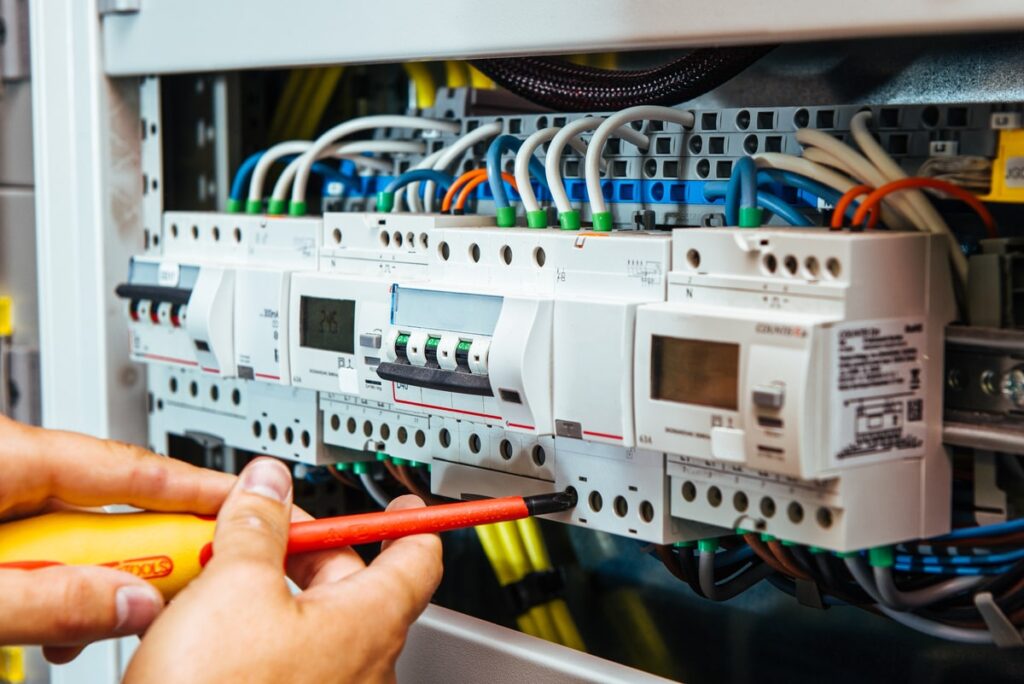
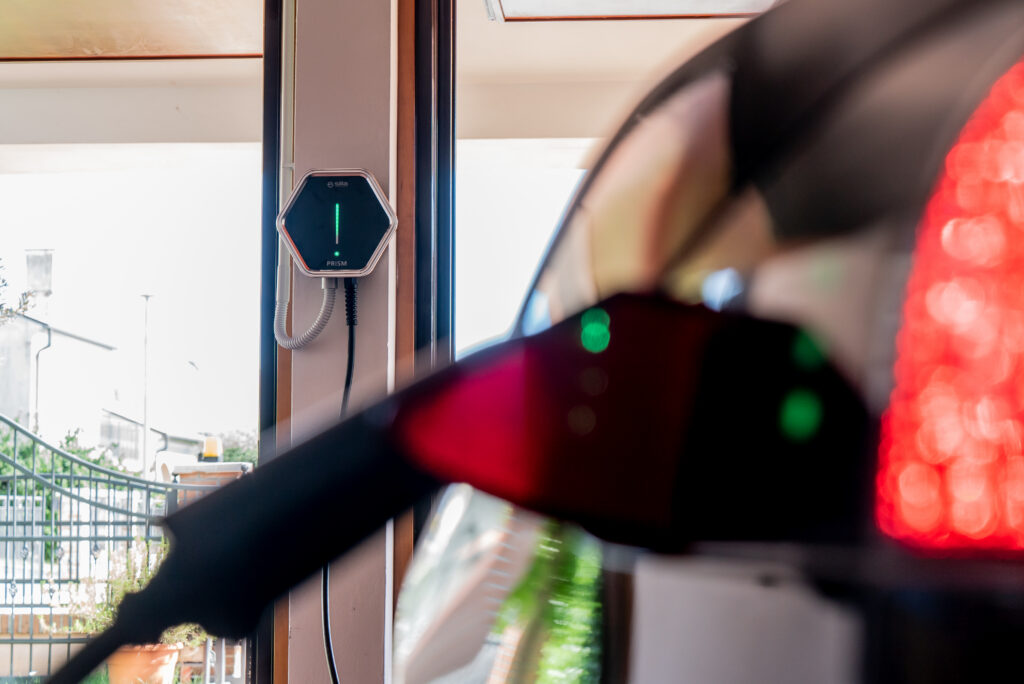
Dynamic Load Management is one of the most advanced features of connected wallboxes. The system monitors household consumption in real time and automatically adjusts the power allocated to the wallbox to avoid overloads and meter disconnections . The DLM allows recharging even with standard 3 kW meters, without increasing the contracted power. In fact, the wallbox adapts its power dynamically, making the most of available energy without affecting the operation of household appliances.
Integration with photovoltaic system
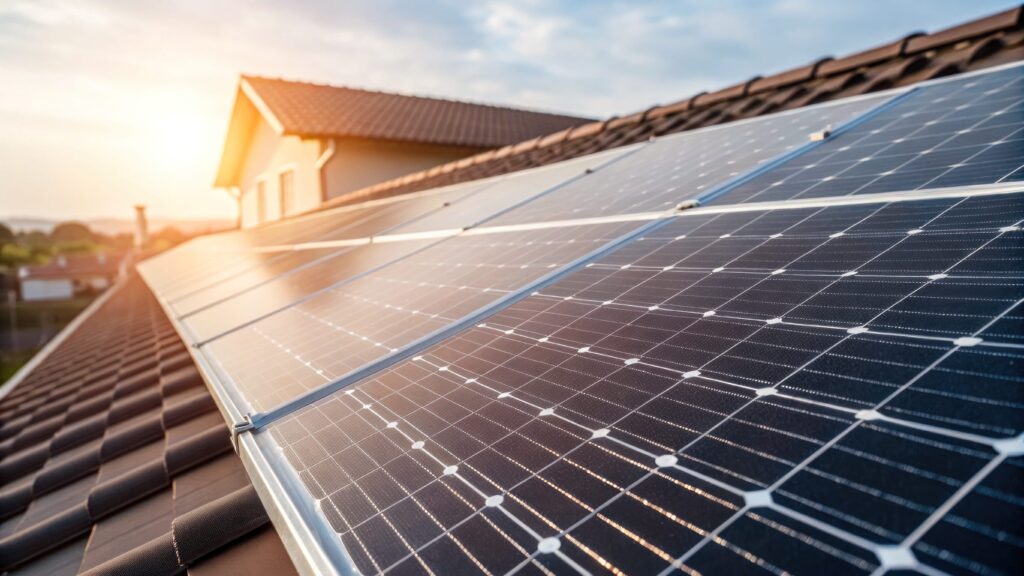
The photovoltaic-compatible connected wallbox regulates charging based on available solar power, maximizing self-consumption and reducing withdrawals from the grid. When PV production is high, the wallbox increases charging power. When production drops, the wallbox reduces power or draws from the grid only the energy needed to complete charging.
Statistics and reports
Smart wallboxes generate detailed reports on consumption, sessions, costs, and trends over time. This data is useful for analyzing charging habits, optimizing schedules, and verifying the impact of e-mobility on utility bills. For companies, the reports are critical for internal reporting, fleet management, and verification of consumption by individual vehicle or user.
Biorational tariffs and energy savings
Bi- hourly electricity tariffs have lower costs during night and weekend periods. Taking advantage of these bands requires careful scheduling, which is difficult to manage manually. The connected wallbox fully automates this process: the user sets preferred times once, and the wallbox automatically initiates charging in the most convenient bands. The annual savings can be significant, especially for those who recharge daily.
Security and software updates
The connected wallbox receives automatic software updates that improve performance, fix bugs, and add new features. These updates are distributed remotely, without the need for technical intervention. Updated firmware ensures compatibility with new vehicles, better load management, and enhanced cybersecurity.
Integration with smart home ecosystems
The connected wallbox can integrate with home automation systems such as Google Home, Amazon Alexa, Apple HomeKit or home energy management platforms.
This integration allows the creation of automatic scenarios, such as “start charging when PV production exceeds 3 kW” or “stop charging if household consumption exceeds 4 kW.” Full automation simplifies management and optimizes the use of available energy.
Shared access and multi-user management
The connected wallbox allows multiple access management via RFID authentication, codes or whitelisting. Each user can be identified, and each session is tracked separately. This feature is useful in condominium, corporate, or multiple-vehicle households. It allows power limits to be assigned, consumption per user to be monitored, and custom reports to be generated.
When to choose an offline wallbox
Offline wallboxes may be an appropriate choice only in very specific cases: temporary installations, settings without network coverage, limited budgets, and users with basic needs who always recharge the same way.
In all other cases, the benefits of connectivity far outweigh the additional cost, making the smart wallbox a more efficient and future-oriented investment.
Silla’s solutions: advanced smart charging
Silla Industries’ Prism wallboxes integrate Wi-Fi, Ethernet and 4G connectivity, providing flexibility and connection stability in any context.
Prism supports the OCPP protocol, enabling integration with third-party management platforms and ensuring interoperability with complex energy ecosystems. The Silla Monitor Portal offers complete remote control, with multi-user management, recharge scheduling, real-time monitoring and detailed reports.
Prism integrates native Dynamic Load Management and compatibility with photovoltaic systems, allowing you to maximize self-consumption and optimize energy costs. Automatic software updates ensure that the wallbox always remains up-to-date, secure and compatible with the latest technologies.
Want to take advantage of all the benefits of smart charging?
Contact us to find out more about Prism solutions-we help you choose the right connected wallbox for your needs and configure it to maximize savings, efficiency, and control.