News
Wallbox with integrated cable vs. Type 2 socket: guide to the best choice for your needs
When choosing a wallbox, one of the often underestimated aspects concerns the way it connects to the vehicle: wallbox with integrated cable or wallbox with Type 2socket? Both solutions have specific advantages and limitations depending on the context of use, number of users, vehicle type, and charging habits. An informed choice will optimize practicality, cost, and flexibility.
In this article we explore the differences between the two configurations, the criteria for choosing them, and the situations in which one solution is preferable to the other.
How the wallbox with integrated cable works
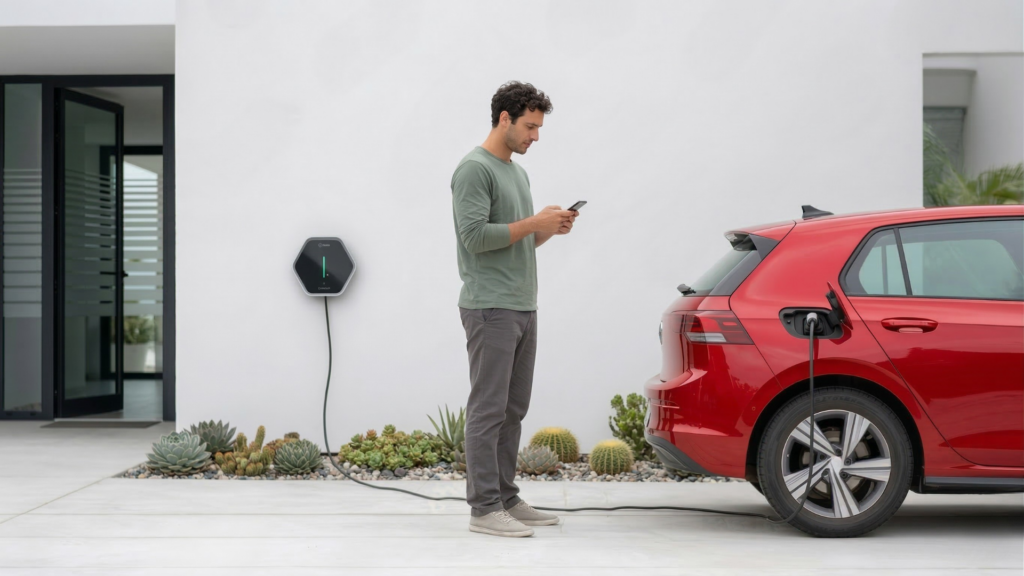
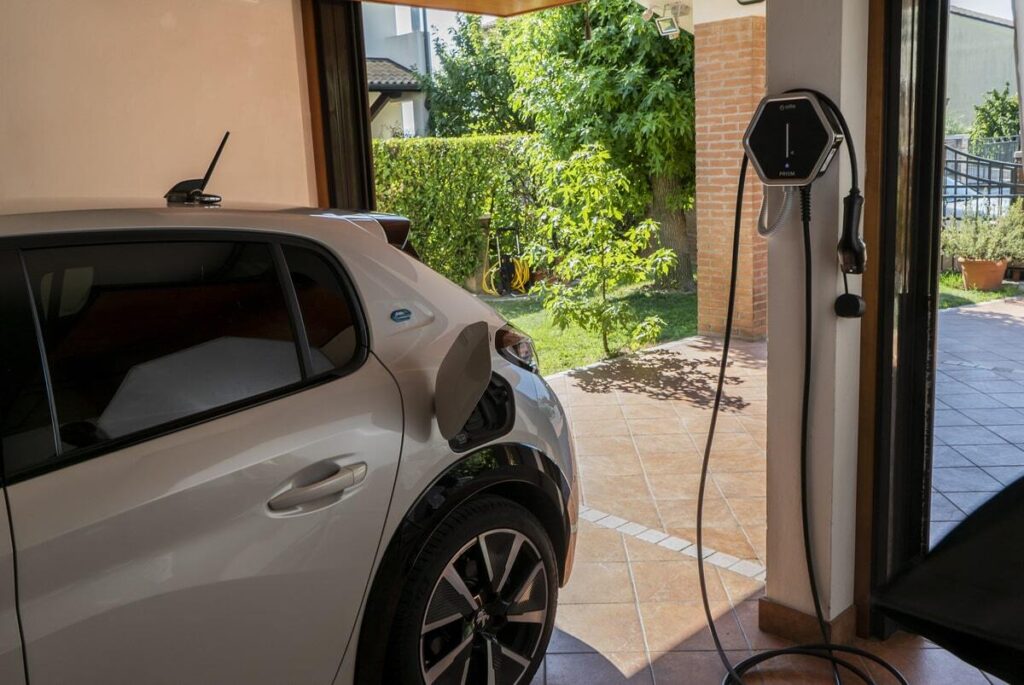
A wallbox with integrated cable (tethered) includes a charging cable permanently attached to the device. The user takes the connector, plugs it into the vehicle, and charging starts automatically .
The cable is usually 5-7 meters long and terminates with a Type 2 connector, the European standard for AC charging. Some models also offer Type 1 connectors (common on older Asian vehicles) or dual cables to serve both standards.
This is the most popular configuration in the home and private sector, where ease of use is a priority.
Wallbox with Type 2 socket: how it works
A wallbox with a Type 2socket (socket or untethered) does not include a built-in cable. Users must use their own charging cable, connecting one side to the wallbox and the other side to the vehicle.
This is themost common approach in public or semi-public settings, where several users with different vehicles use the same wallbox. Flexibility is maximized, but it requires each user to have their own cable.
The Advantages of the wallbox with integrated cable
- Ease of use
No need to take the cable with you: everything is already ready on the wallbox. The user connects the connector to the vehicle with a quick and intuitive gesture. This simplicity is especially appreciated in home settings, where charging occurs daily and convenience is paramount.
- Cable protection
The built-in cable is designed for continuous outdoor use, with protective sheathing resistant to UV, rain, dust and temperature changes. It is less subject to wear and tear than portable cables, which are stored and transported frequently. The wallbox often includes a cable management system (coiling, support) that keeps the charging area tidy and prevents tripping or damage.
- No risk of forgetting the cable
A common problem for people using wallboxes with an outlet is forgetting the cable at home or in the office. With a wallbox with built-in cable, this risk does not exist: the cable is always available.
The limitations of the wallbox with integrated cable
- Reduced compatibility
An integrated cable with a Type 2 connector cannot recharge vehicles with a Type 1 socket. If you change vehicles in the future to a different standard, you may need to replace the wallbox.
- Wear and replacement
The built-in cable is exposed to constant mechanical stress: bending, pulling, crushing. Not that the cable for the Type 2 outlet is exempt, the difference, however, is important. In the case of a wallbox with an integrated cable, ‘intervention is not immediate, is not always simple, and can involve significant costs.
- Higher initial cost
Wallboxes with integrated cable have a slightly higher initial cost than socket versions because the certified cable is included in the price.
The Advantages of the wallbox with Type 2 socket
- Total flexibility
With a wallbox socket, each user uses their own cable. This allows charging vehicles with different standards (Type 1, Type 2, CCS) by simply changing cables. It is an ideal solution for shared parking lots, companies with mixed fleets, or users who plan to change vehicles frequently.
- No problem with length
The user chooses the length of the cable according to his or her needs. If the parking lot requires a longer cable, simply purchase a suitable one without modifying the wallbox.
- Lower initial cost
Wallbox sockets are generally less expensive because they do not include the cable. However, the user must purchase a certified charging cable separately, which can cost between 150 and 400 euros depending on power and length.
- Simple substitution
If the cable wears out, replacement is immediate and requires no work on the wallbox. The user purchases a new cable and continues to use the same wallbox.
The limitations of the wallbox with Type 2 socket
- Need to carry the cable
The user must always have the charging cable with them. This is not a problem for those who always charge in the same place, but can be inconvenient for those who use different wallboxes (home, office, public places).
- I’m in danger of forgetting it
It is easy to forget the cable in the home or office, making it impossible to recharge until recovery.
- Wallbox connector wear and tear
The Type 2 wallbox socket is exposed to weathering and mechanical wear. With intensive and prolonged use, the contacts may deteriorate, requiring maintenance or replacement.
- Order and cable management
Without an integrated cable management system, the charging area can become cluttered, with cables left on the ground posing a tripping hazard.
When to choose the wallbox with integrated cable?
The wallbox with integrated cable is the best choice in the following contexts
- Private home use: for maximum simplicity, no need to carry cable, optimal protection.
- Private garage or garage installation: the user always has the same vehicle and charging point.
- Single user: no need for flexibility for different connector standards.
- Priority to practicality: those who want the simplest and most immediate solution.
When to choose wallbox with Type 2 socket?
The wallbox socket is preferable in these cases
- Shared or condominium parking lots: where several users with different vehicles use the same wallbox.
- Mixed corporate fleets: vehicles with different connector standards.
- Anticipation of frequent vehicle changes: flexibility allows adaptation to new standards.
- Public or semi-public installations: each user brings his own cable.
- Varying lengths needed: parking lot configuration requiring cables of different lengths.
Hybrid solutions: wallboxes with dual cables
Some wallboxes offer a hybrid solution: Type 2 socket and optional integrated cable. This allows both the built-in cable for everyday use and external cables for specific needs or vehicles with different standards. This configuration offers the most flexibility, but has a higher cost and requires more space.
Some cable length considerations
The length of the cable is a crucial aspect. The most common cables are 5 or 7 meters. Longer cables (10 meters) exist but are less common, more expensive and heavier to handle. Before choosing, it is essential to measure the distance between the location of the wallbox and the vehicle socket, also considering the cable path (ground, wall, with bends). A cable that is too short makes charging impossible. A cable that is too long creates clutter and increases the risk of wear and tear .
Cable quality and certification
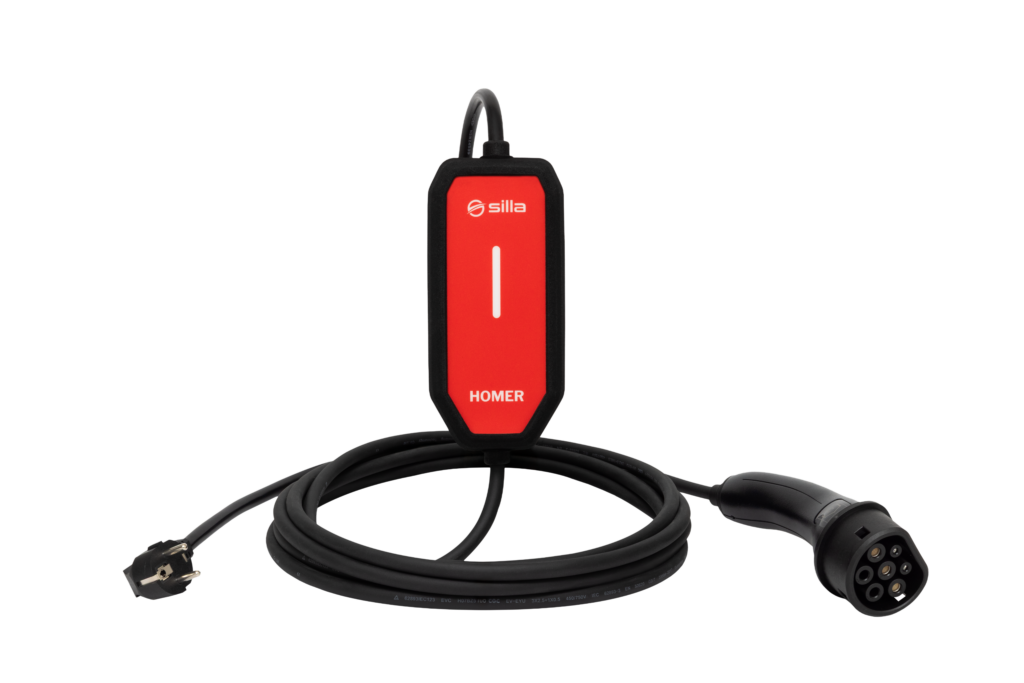
Whether built-in or portable, cables must be certified to IEC 62196 and IEC 61851 standards. Non-certified cables can cause overheating, contact loss, vehicle damage, and safety hazards. It is essential to purchase cables from reputable manufacturers, check for CE marking, and check that the conductor cross-section is adequate for the wallbox power.
Silla solutions
Silla Industries offre wallbox Prism in entrambe le configurazioni: con cavo integrato da 5 o 7 metri per uso domestico e privato, e con presa Tipo 2 per installazioni condivise o pubbliche. Tutti i cavi Silla sono certificati, dimensionati per potenze fino a 22 kW, dotati di guaina protettiva IP65 e progettati per uso esterno continuativo. Per le wallbox socket, Silla offre cavi di ricarica certificati, compatibili con tutti i modelli Prism e garantiti per tutta la vita del prodotto.
Contattaci in chat per una consulenza: ti aiutiamo a valutare le tue esigenze e a scegliere la wallbox con la configurazione più adatta al tuo contesto di utilizzo.